
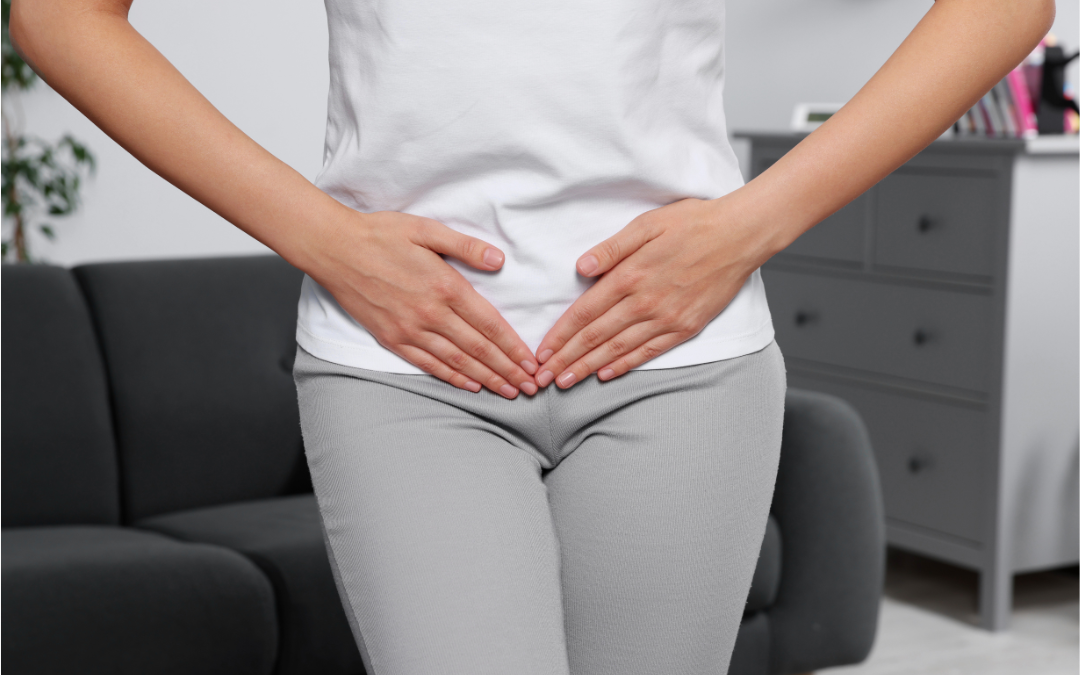
Navigating the vast sea of online information to understand the sudden shifts in your pelvic floor can be daunting. Today, I want to empower you to take a closer look, encouraging you to explore any connections between recent changes in your routine and the onset of pelvic floor symptoms.
Let’s face it: your pelvic floor doesn’t typically malfunction without reason. There’s usually a series of events leading up to it, and tracing this history might help you assemble the puzzle pieces.
1 – Have You Made Any Recent Changes?
Whether it’s altering your movements or, conversely, not moving enough, changes in your routine can impact your alignment. Consider back pain, often arising after prolonged periods of sitting or sedentary behaviour. Your pelvic floor is active when standing, which brings me to the joys of my standing workstation as I type this.
Perhaps the sudden shift in your pelvic floor symptoms is a result of doing things differently, but not necessarily in a way that’s optimal for your pelvic floor. Have you engaged in excessive lifting, unusual movements, or frequent DIY activities? This might be a clue.
Pelvic floor weakness doesn’t always have a clear catalyst, and pregnancy alone isn’t always the culprit. It’s more about how your movements change during pregnancy and whether they align with what’s optimal for your body.
2 – Is Your Exercise Routine Suitable for You Right Now?
If you’re following an online exercise regimen, hitting the gym, or attending a local workout class with new movements, it’s possible that something in that session caused shifts, dispersed pressure, or placed additional load on your pelvic floor.
In my one-on-one sessions, my aim is to guide clients back to their desired exercises, be it running, yoga, or team sports. I rarely blacklist exercises; instead, I find alternative approaches for the short term. It’s about empowering clients to understand the work required to return to their preferred activities.
It’s all about strategies.
3 – Are Other Symptoms Present?
If you’re dealing with incontinence or pelvic organ prolapse, reflect on whether there were other seemingly unrelated issues before your pelvic floor symptoms appeared. Consider factors like back, pelvic, foot, or knee pain, digestive disorders, or even sudden illness like vomiting or diarrhea.
While this isn’t an exhaustive list, there are definite links between being inactive, engaging in inappropriate activities, pain affecting your movement, and the connection between your digestive system and pelvic floor.
Here’s the good news: there’s always hope, and there are exercises that won’t stress your pelvic floor. Finding an exercise specialist in your area who can take all the above factors into account isn’t as difficult as you may think. Firstly, look for a Pilates studio which doesnt focus on the ‘bums on seats’ (or reformers) but offers one-on-one sessions or classes with no more than four at a time. If they are a classical instructor they should have the nowledge and skills to help you.